Why verifying who leaves your dock matters as much as who gets in.
Cargo Theft Doesn't Always Start With a Break-In
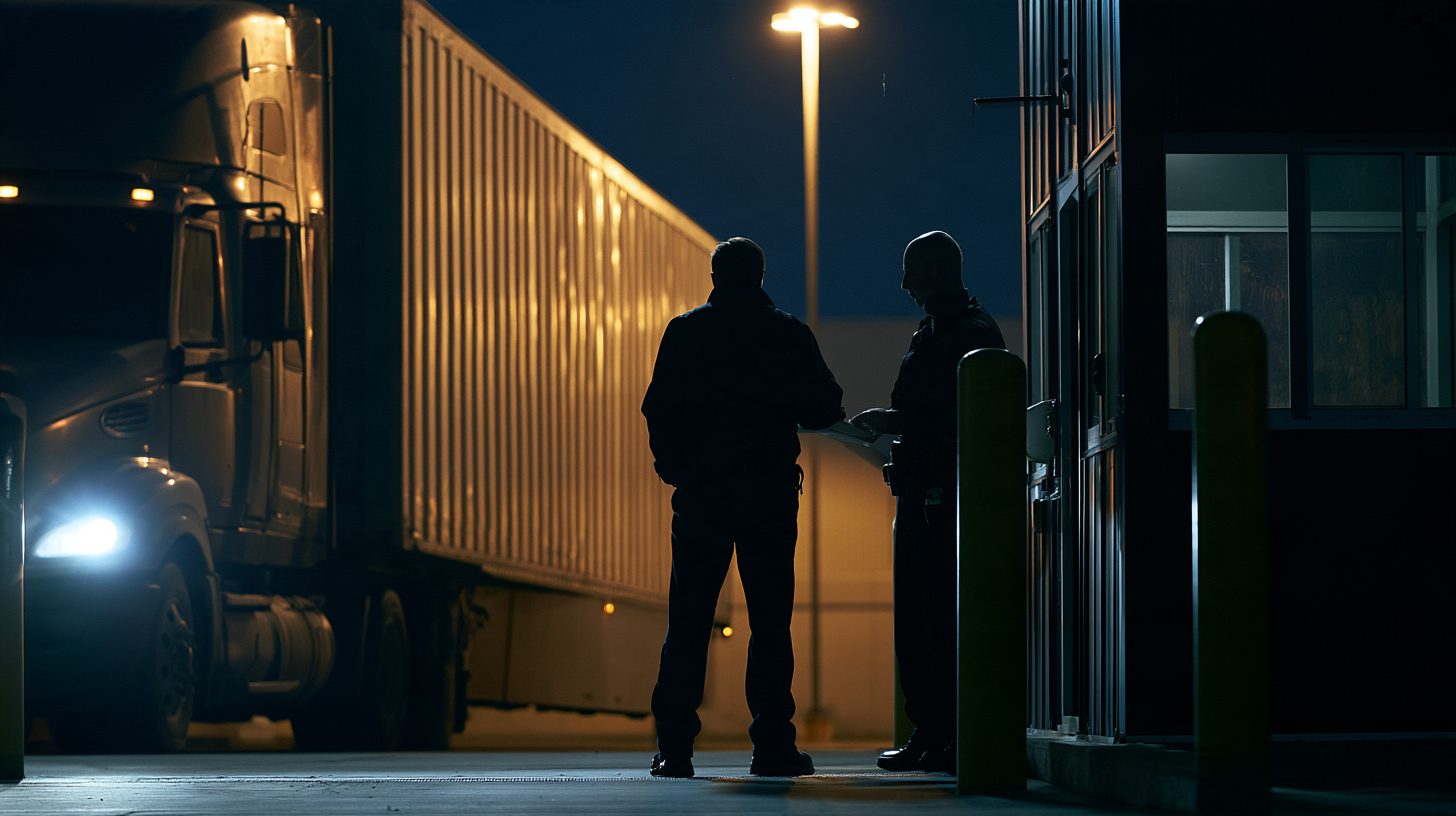
Imagine a truck driver arriving at a warehouse gate at two in the morning. He has the paperwork, the right carrier information, and what appears to be a legitimate scheduled pickup. Everything looks normal. The load is released, the truck pulls away, and nobody gives it a second thought.
Until someone discovers the freight was picked up by the wrong person.
There was no break-in. Nobody cut through a fence or forced open a trailer. The shipment simply left the property with someone who wasn't authorized to take it.
It's a growing concern for warehouse operators, distribution centers, and the companies responsible for moving freight.
According to supply chain security firm Overhaul, there were 574 reported cargo theft incidents across the United States during the first quarter of 2026. While overall theft declined compared with the previous year, deceptive pickup schemes increased by 31%. These crimes often involve false identities, forged credentials, or criminals impersonating legitimate carriers to collect shipments.
Illinois has become an area of particular concern. The state accounted for 13% of reported cargo theft incidents nationwide during the first quarter of 2026, up from 6% during the same period in 2025. Electronics were involved in 45% of the state's reported incidents.
The problem hasn't gone away. Overhaul's second-quarter report documented another 605 incidents nationwide, a 5% increase over the first quarter.
For warehouse and distribution center operators, these numbers raise an important question: How confident are you in the process used to release freight from your facility?
Security Doesn't Stop at the Fence
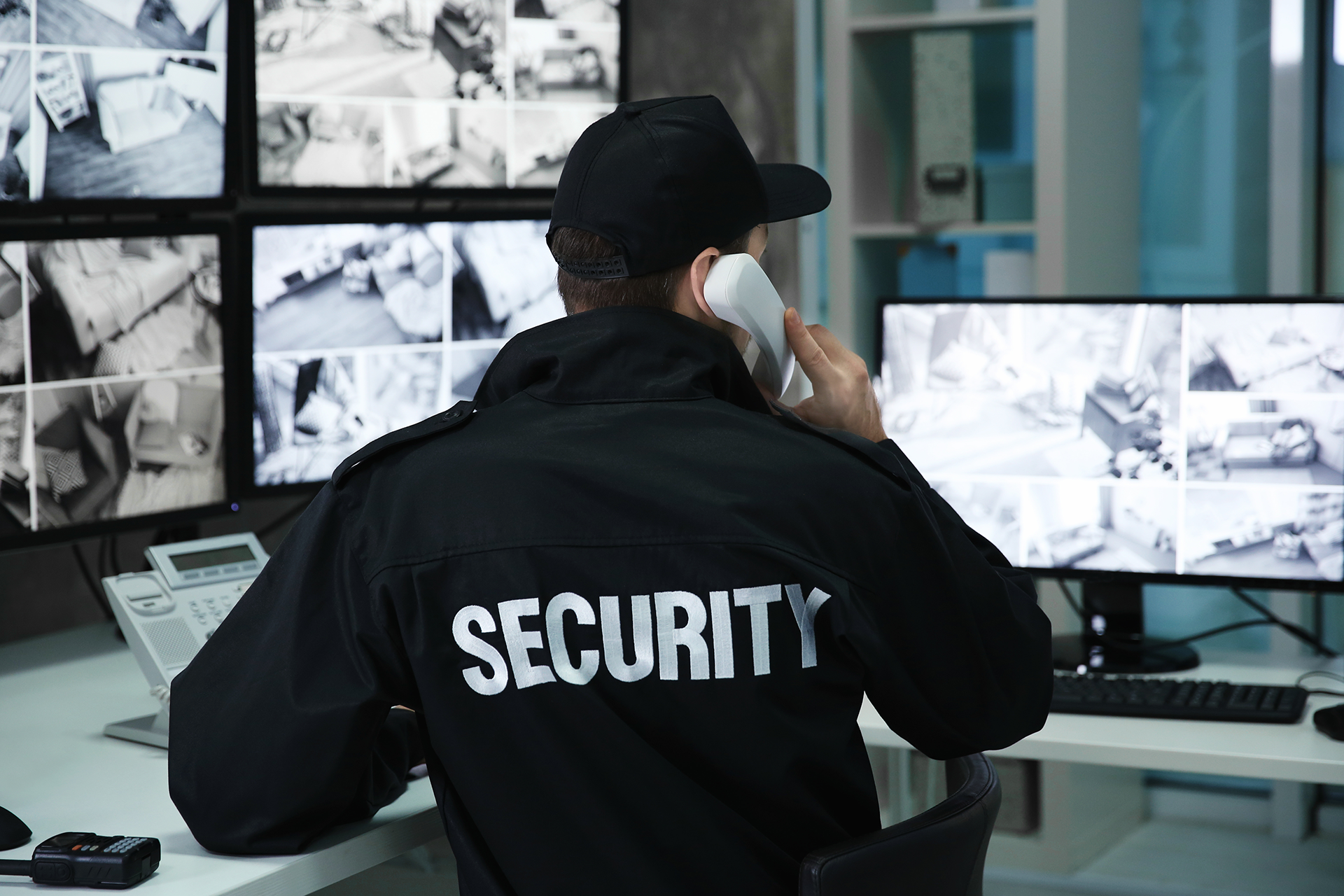
Warehouses invest considerable time and money in protecting their facilities. Perimeter fencing, surveillance cameras, access control systems, and alarm monitoring are all important parts of that investment.
But even a well-protected facility can be vulnerable when someone arrives with convincing paperwork and a believable explanation.
That's where the gatehouse becomes especially important.
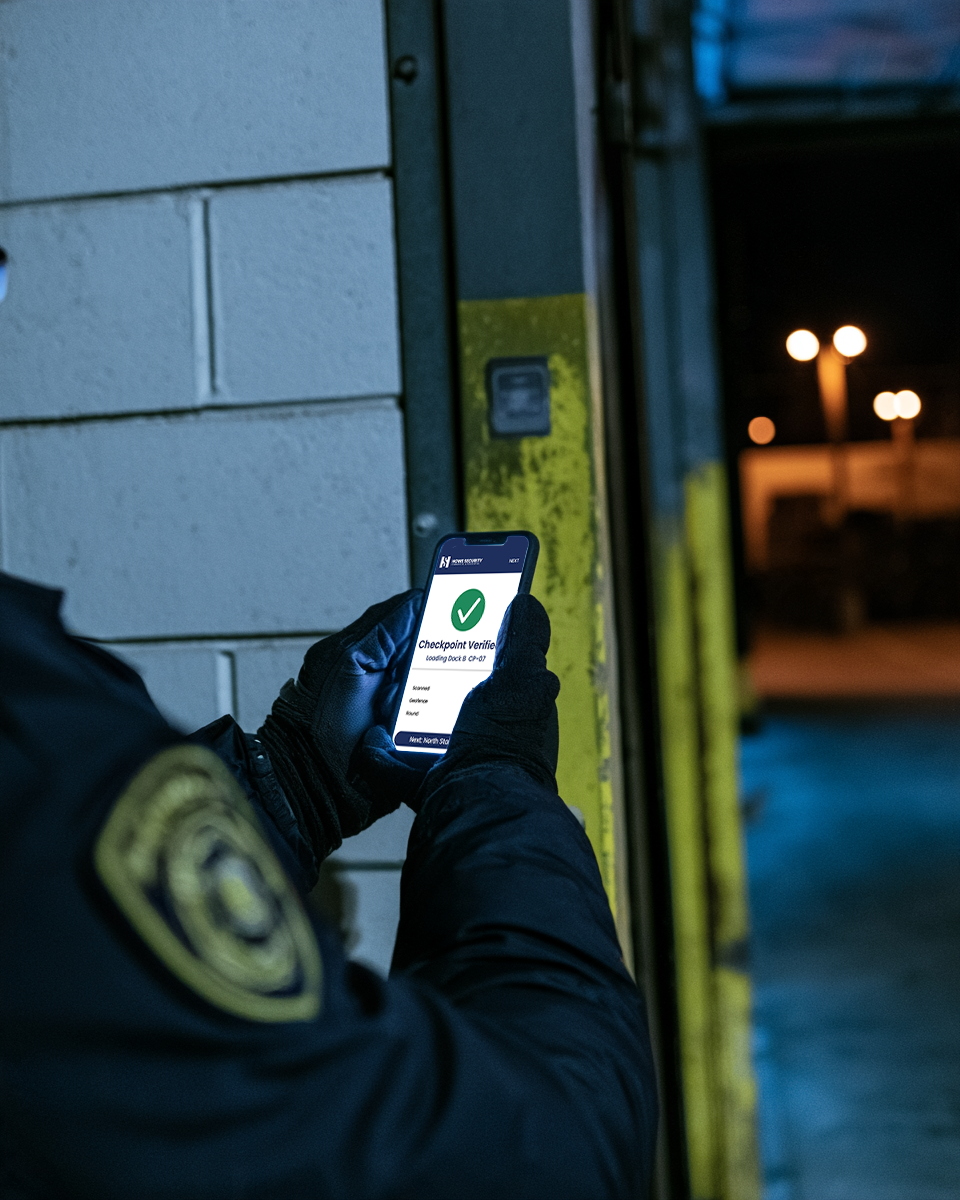
An officer working the gate isn't simply checking vehicles in and out. Depending on the facility's procedures, that person may be responsible for verifying driver identification, confirming appointments, matching equipment information, and communicating with shipping personnel before allowing a load to leave.
Those checks provide an opportunity to identify something that doesn't belong.
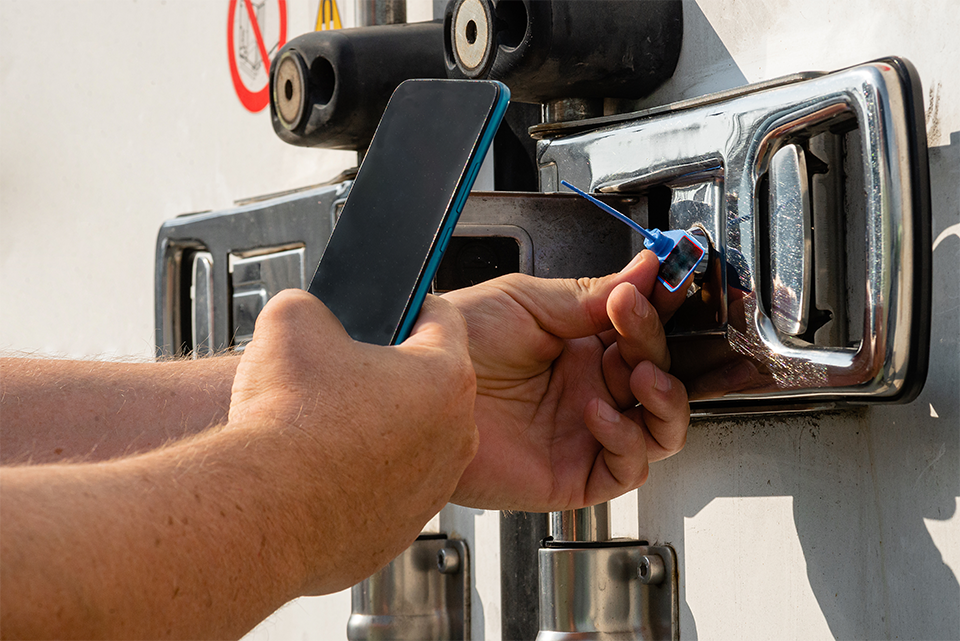
Maybe the driver's name doesn't match the scheduled pickup. Perhaps the trailer number is different, or the carrier information doesn't line up with what's on file. On their own, these details might have innocent explanations. But they deserve attention before freight is released.
The key is having procedures that make verification part of every pickup, rather than something that happens only when a situation seems suspicious.
Where Problems Tend to Start
Anyone familiar with warehouse operations knows that the pace isn't always predictable.
A late shipment throws off the schedule. Several trucks arrive at once. A driver is frustrated because he's been waiting longer than expected. Meanwhile, the shipping department is trying to clear the dock before the next shift arrives.
Add an overnight shift with limited staffing, and the opportunity for mistakes increases.
It's during situations like these that established procedures can start to slip. Someone assumes another employee already verified the paperwork. A driver gets waved through because the appointment appears legitimate. A questionable detail gets overlooked because everyone is focused on keeping freight moving.
Sometimes the issue isn't a lack of security personnel. It's a lack of clear communication between the gatehouse, the shipping department, and facility management.
An officer may recognize something unusual but have no reliable way to confirm the information. Or there may be uncertainty about who has the authority to delay a pickup.
These are operational issues that can be addressed, but only if everyone understands their responsibilities.
Give Your Gatehouse Team the Ability to Act
A security officer can only be as effective as the training, procedures, and authority provided to them.
Consider what happens when an officer encounters a pickup that doesn't match the facility's records.
Can the officer delay the release until the information is verified? Is someone available to answer questions during overnight hours? Does the officer know whom to contact, and is there a clear procedure for documenting the concern?
More importantly, will the shipping department support that decision, even when the dock is busy?
These are practical questions that warehouse managers and security providers should be discussing together.
At Howe Security, we recognize that effective gatehouse operations require more than a physical presence. Officers need to understand the responsibilities of their assignment, follow established procedures, and communicate concerns to the appropriate people.
The facility's management team also plays an essential role. Clear expectations, dependable communication, and consistent procedures help security personnel do their jobs without unnecessarily interrupting daily operations.
A good security process should support the movement of freight while making sure the right freight leaves with the right people.
Take a Closer Look at Your Own Operation
If you manage a warehouse, distribution center, or logistics facility, it may be worth spending some time observing how pickups are handled during different shifts.
Watch what happens when several trucks arrive together. Talk with the people working the gate. Find out what they do when paperwork doesn't match or a driver arrives unexpectedly.
Pay particular attention to overnight operations, shift changes, and periods when the facility is busiest.
You may discover that your procedures are working exactly as intended. You might also identify a few areas where better communication, additional training, or clearer responsibilities could make a difference.
Either way, it's better to ask those questions now than after a shipment has disappeared.
Cargo theft doesn't always involve someone breaking into a facility. Sometimes it involves someone being allowed to leave with freight that doesn't belong to them.
Preventing that kind of loss starts with knowing who's at your gate, what they're authorized to do, and how your facility handles the handoff.
--------------------------
Howe Security provides professional gatehouse and access control services for warehouses, distribution centers, and logistics operations throughout Illinois and southeastern Wisconsin. We work with facility operators to support security procedures that help protect their people, property, and shipments.
Sources: